Newsletter Subscribe
Enter your email address below and subscribe to our newsletter
Enter your email address below and subscribe to our newsletter

 ByJohn A
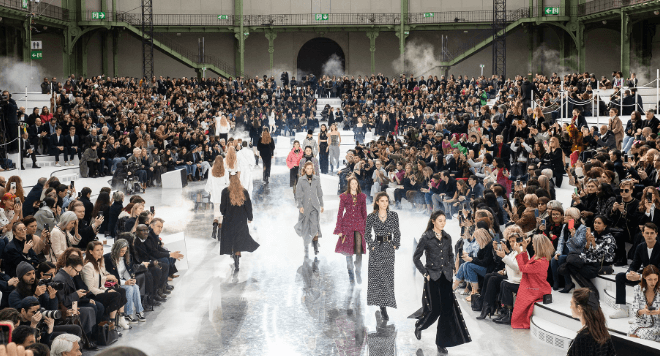
Digital fashion shows are structured events that blend physical presence with digital access. They choreograph models, lighting, and sound through tech-driven systems, creating synchronized transitions and projected elements. Observers encounter virtual fabrics and tactile illusions shaped by algorithms, while data tracks engagement and pacing. Platforms differ in access and data handling, shaping interpretation and reach. The discipline of production meets audience immersion, yet governance and format continue to evolve, inviting closer scrutiny of what counts as a show.
Digital fashion shows are structured presentations where design collections are presented to an audience—whether physically, virtually, or as a hybrid—through curated sequences, narrative concepts, and specialized production. The format translates garments into a digital runway experience, testing movement, scale, and lighting. Virtual fabrics simulate texture and depth, while spectators glimpse intent, branding, and future-ready production practices with disciplined clarity.
Tech-enabled elements shape runway drama by choreographing movement, lighting, and pacing with precision. Digital systems synchronize models, projections, and audio to create cohesive sequences while analytics monitor crowd engagement and pace transitions. Tech aesthetics reframes spectacle through controlled tempo and visual cadence, enabling designers to iterate quickly. Performance metrics quantify impact, guiding future choices and aligning artistic intent with audience response.
The evaluation of platforms, styles, and immersive formats in digital fashion shows requires a clear typology of delivery systems, visual aesthetics, and audience interfaces. Observers note virtual fabrics and tactile illusions shaped by algorithms, while audience analytics reveal engagement patterns across channels. Immersive formats shape perception, but platform governance dictates access, data handling, and governance safeguards for a freer, innovative ecosystem.
Readers can approach digital fashion shows as time-stamped artifacts of production, where sequence, framing, and interactivity reveal much about industry priorities and technical constraints.
The Practical Guide to Reading and Following shows emphasizes noticing pacing, camera work, and platform affordances, then correlating them with design intent.
Observant spectators map fashion tech choices to audience immersion, valuing clarity, control, and authentic experience.
See also: What Is a Crypto Fork?
The answer indicates that digital fashion shows have varying risk profiles, with security flaws and encryption pitfalls shaping vulnerability; observers note ongoing industry efforts to implement robust access controls, threat modeling, and transparent incident reporting to reassure stakeholders seeking freedom and trust.
Audiences can customize in real time controls, as exemplified by a hypothetical platform enabling viewers to alter camera angles and commentary styles during a show. This demonstrates audience customization and real time controls shaping personal fashion-viewing experiences.
Virtual collections can influence physical store sales, as interest from online reveals converts to in-store visits; virtual storefronts amplify reach while data privacy concerns shape consumer trust and behavior, potentially moderating cross-channel purchasing in a freedom-loving industry context.
Like a tightrope walker, the industry balances compensation models and performer pay. Digital models and performers receive varied compensation, depending on contracts, platforms, and rights, with royalties, residuals, and upfront fees shaping overall compensation models.
Accessible design is prioritized, with captioning options, multilingual narration, and inclusive tech integrated to reach diverse audiences; observers note industry standards evolving toward broader participation while preserving creative freedom and independent viewing experiences.
In sum, digital fashion shows quietly reframe spectacle as a measured, data-informed experience. The runway’s drama persists, yet the choreography—models, lighting, projections, and sound—glides within a controlled ecosystem of platforms and metrics. Observers encounter virtual textures and responsive visuals that gently blur tactile expectation with algorithmic nuance. What emerges is a polished, hybrid ritual: production discipline guiding audience immersion, governance ensuring access and privacy, and industry insight shaping the next simplified, scalable moment of fashion’s forward gaze.